Finding the right online Quran classes for kids can feel overwhelming, especially for Shia families who want their children to learn not just Quran recitation, but also Tajweed, Noorani Qaida, and the practical teachings of Fiqah e Jafria. With so many tutors and academies online, how do you know which one will actually help your child build a lasting connection with the Quran and Ahlulbayt (AS)?
This guide walks you through exactly what to look for, the questions to ask before signing up, and how a structured program — like the one offered at Al Mehdi Online Quran Center — can give your child a strong foundation in both recitation and Shia Islamic studies.
Why Online Quran Classes Work Well for Shia Families
Shia families living in the United Kingdom, United States, Canada, Australia, and other countries often face a shared challenge: finding a local teacher who can guide their children according to Fiqah e Jafria. Online Quran classes solve this by connecting students directly with qualified Shia teachers, regardless of where the family lives.
- No commuting — classes happen from home, on a schedule that suits the family
- Access to teachers trained specifically in Shia Tajweed and Fiqah e Jafria
- One-on-one attention, which is harder to get in crowded local madrasas
- Flexible timing across time zones for families abroad
What to Look For in an Online Quran Teacher for Kids
Not every online Quran academy is built with children in mind. Here are the essentials to check before enrolling:
1. Qualified Shia Teachers (Male and Female)
Children often learn best from a teacher they’re comfortable with. Look for academies that offer both male and female Shia Quran teachers online, so you can choose what’s most suitable for your son or daughter.
2. A Clear, Structured Curriculum
A good program for kids usually progresses through clear stages, such as:
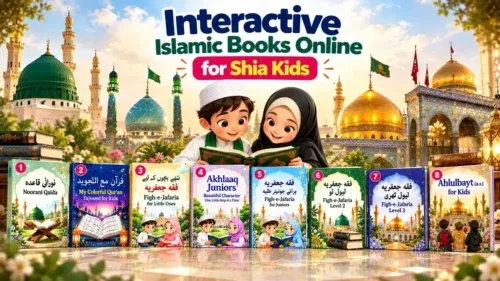
- Noorani Qaida — the foundation for reading Arabic letters correctly
- Quran reading with Tajweed — applying pronunciation rules while reciting
- Fiqah e Jafria basics — simple explanations of Namaz, Wajibaats, and daily practices, explained in age-appropriate language
3. A Free Trial Class
Before committing to a monthly schedule, a free trial class lets your child meet the teacher and experience the teaching style. This is one of the easiest ways to check if the pace, tone, and structure are a good fit before you pay anything.
4. Flexible Scheduling and 24/7 Support
Families across different time zones need scheduling that works around school, homework, and other commitments. Look for academies that offer 24/7 support so you can adjust class times when needed.
How Al Mehdi Online Quran Center Supports Your Child’s Learning Journey
At Al Mehdi Online Quran Center, children begin with a free trial class so parents can see exactly how lessons are taught before enrolling. The academy has been serving Shia families since 2012, with experienced male and female teachers who specialise in:
- Basic Qaida reading with Tajweed for beginners
- Quran reading with Tajweed for more advanced students
- Fiqah e Jafria — Namaz, Ahkaam, and Wajibaats explained for everyday practice
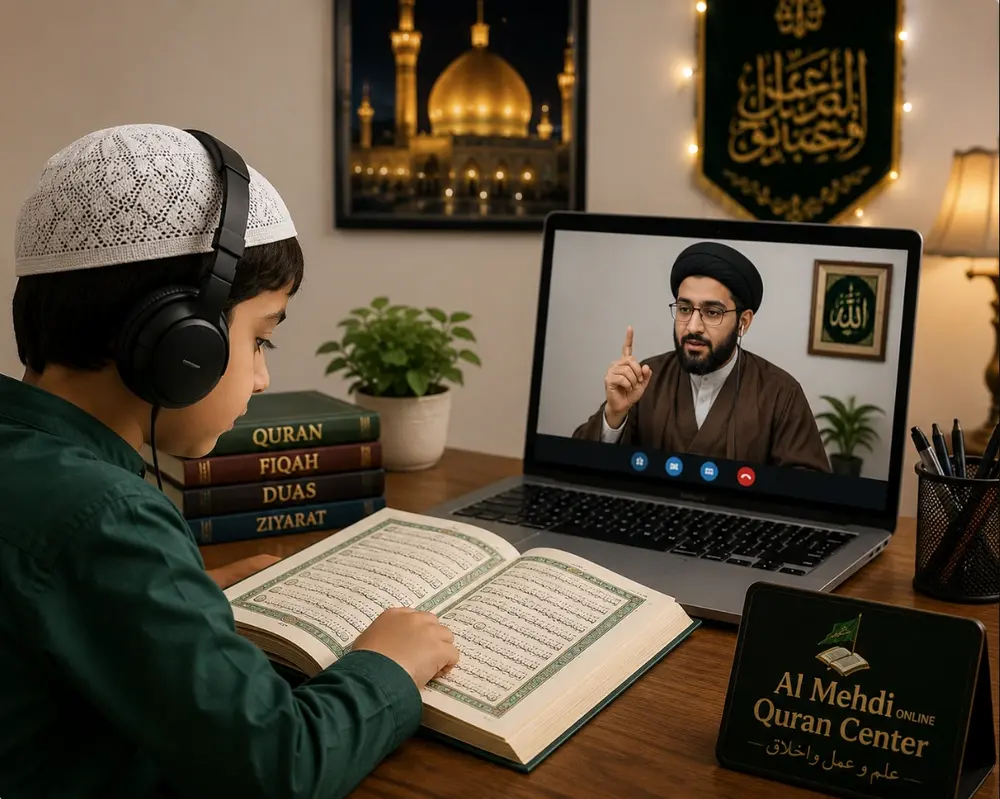
Each of these is taught one-on-one over Zoom, Skype, or Teams, which means your child gets focused attention rather than sharing time with a large group. You can see the full breakdown of each course on the Courses page.
Signs Your Child Is Ready to Start Quran Classes
Not sure if your child is ready? A few common signs parents look for include:
- Curiosity about Arabic letters or asking questions during family prayers
- Ability to sit and focus for 20-30 minutes on a guided activity
- Interest in stories about the Prophet (PBUH) and Ahlulbayt (AS)
- Parents wanting to build consistent religious routines at home
For a more detailed breakdown, take a look at our related article: 7 Signs Your Child Is Ready to Start Quran Classes.
Common Questions Parents Ask
Is it safe for my child to take Quran classes online?
Yes — reputable academies use video platforms like Zoom or Skype with a parent able to sit in on or monitor sessions, especially in the early weeks. This also gives parents a chance to assess the teacher’s approach directly.
How long are the classes, and how often should my child attend?
Most one-on-one sessions for children run between 30 and 45 minutes, scheduled 2-3 times per week. This keeps lessons manageable for young attention spans while building consistency.
What if my child doesn’t know any Arabic yet?
That’s completely normal — most children start with Noorani Qaida, which teaches Arabic letter recognition and basic sounds before moving on to Quran reading with Tajweed.
Next Steps: Book a Free Trial Class
The easiest way to find out if an online Quran academy is right for your child is to try a class. Al Mehdi Online Quran Center offers a free trial so your child can meet a qualified Shia teacher, experience a Tajweed or Qaida lesson, and you can ask any questions about Fiqah e Jafria teaching for kids before enrolling.
You can also explore our Pricing page for monthly hadya details, or read our FAQs for answers to more common questions.
Internal linking tip: when this post goes live, also add a link to it from the homepage “Blog Articles” section and from the related “7 Signs Your Child Is Ready” post (add a line like “Read next: How to Choose the Best Online Quran Classes for Your Kids”).