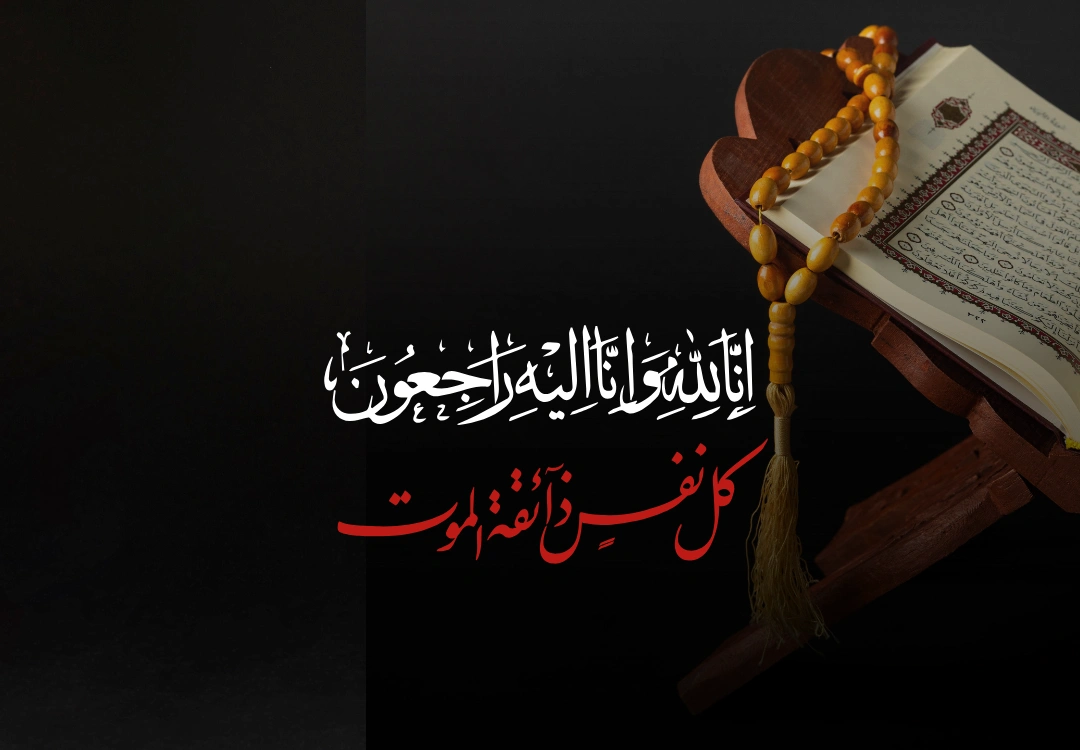
إِنَّا لِلّهِ وَإِنَّا إِلَيْهِ رَاجِعُونَ
Inna lillahi wa inna ilayhi raji'un
إِنَّا لِلّهِ وَإِنَّا إِلَيْهِ رَاجِعُونَ
Inna lillahi wa inna ilayhi raji’un,
The phrase “Inna Lillahi wa Inna Ilayhi Raji’un” (إِنَّا لِلّهِ وَإِنَّا إِلَيْهِ رَاجِعُونَ) is perhaps one of the most profound, frequently recited, yet deeply misunderstood sentences in the Islamic world. Often associated exclusively with death, this Quranic verse from Surah Al-Baqarah (2:156) is actually a complete philosophy of life, a psychological anchor, and a spiritual manifesto for the believer.
1. Linguistic Breakdown: What are we actually saying?
To understand the power of this phrase, we must dissect it word by word:
- Inna (إِنَّا): A combination of Inna (Surely) and Na (We). It is an emphatic “Verily, we…”
- Lillahi (لِلّهِ): Consists of Li (For/Belonging to) and Allah. It signifies total ownership. We do not just “believe” in God; we belong to Him.
- Wa Inna (وَإِنَّا): “And surely we…”
- Ilayhi (إِلَيْهِ): “Towards Him.”
- Raji’un (رَاجِعُونَ): From the root Ra-Ja-A, meaning “to return.” The plural form indicates a collective journey.
Translation: “Indeed, we belong to Allah, and indeed, to Him we are returning.”
2. The Context of Revelation: Surah Al-Baqarah
This verse was revealed in the context of trials and tribulations. Allah (swt) says in the preceding verse:
“And We will surely test you with something of fear and hunger and a loss of wealth and lives and fruits, but give good tidings to the patient.” (2:155)
The very next verse (2:156) identifies who these “patient ones” (Sabireen) are: “Those who, when disaster strikes them, say, ‘Indeed we belong to Allah, and indeed to Him we will return.'”
3. The Shia Perspective: Deepening the Connection
In the Shia school of thought, this phrase is not just a ritualistic utterance; it is a declaration of Tawhid (Oneness) and Adalah (Justice).
The Teachings of Imam Ali (a.s.)
Imam Ali (a.s.) has provided profound commentary on the nature of existence that mirrors this verse. In Nahj al-Balagha, he frequently reminds us that the soul is a traveler. He famously said:
“People are asleep, and when they die, they wake up.”
Reciting Istirja (the act of saying this phrase) is seen as a way of “waking up” before the physical death. It is an acknowledgment that our “self,” our “ego,” and our “possessions” are merely temporary loans from the Divine.
The Role of the Ahlulbayt in Times of Trial
The Ahlulbayt (a.s.) exemplified the essence of this verse during the tragedy of Karbala. When Imam Hussain (a.s.) saw his companions falling, his tongue remained moist with the remembrance of Allah. His “return” to Allah was a conscious, heroic choice to sacrifice the temporary for the eternal.
4. More Than Just Death: When to Recite This Phrase
A common misconception is that this phrase is only for funerals. According to the Sunnah of the Prophet (s.a.w.w.) and the Imams (a.s.):
- Loss of Property: Even if you lose a small item or a financial investment fails.
- Health Struggles: When facing illness or physical pain.
- Emotional Distress: In times of heartbreak, loneliness, or anxiety.
- National or Global Calamities: To remind oneself of the grander scheme of divine decree.
Trending Wisdom: Psychologically, this phrase acts as a “Cognitive Reappraisal” tool. It shifts the focus from the Loss (which is painful) to the Owner (who is Eternal).
5. The Philosophy of “The Loan”
Everything we have—our children, our beauty, our status, our breath—is an Amanah (a trust).
- If a friend lends you a beautiful car for three days and then takes it back, you do not cry out in injustice. You thank them for the three days you had it.
- “Inna Lillahi” reminds us that we are not losing what is ours; we are returning what was always His.
6. Key Quotes on Patience and Return (SEO Optimized)
| Theme | Insightful Quote | Source |
| Patience | “Patience is of two kinds: patience over what pains you, and patience against what you covet.” | Imam Ali (a.s.) |
| Trust | “One who realizes that he is a servant of Allah knows he will eventually return to Him.” | Quranic Commentary |
| Perspective | “The world is a house of passage, not a house of settlement.” | Nahj al-Balagha |
7. The Scientific & Psychological Impact of Istirja
Modern psychology talks about “Radical Acceptance.” When a person accepts a situation they cannot change, their cortisol levels drop and their mental clarity increases.
- Stress Reduction: By saying “To Him we return,” the brain stops fighting the reality of the loss.
- Purpose: It gives a direction to grief. Grief is no longer a dead end; it is a path leading back to the Source.
FAQs on “Inna Lillahi wa Inna Ilayhi Raji’un.”
Q: Can I say this for a non-Muslim friend’s passing?
A: In the Shia tradition, many scholars suggest that acknowledging all of humanity belongs to God and returns to Him is a universal truth. You can pray for the family’s patience.
Q: Is there a specific reward mentioned?
A: Yes, the Prophet (s.a.w.w.) said that whoever recites this during a calamity, Allah will replace their loss with something better (as seen in the story of Umm Salama).
These verses emphasize that death is an inevitable part of the human experience.
-
Surah Al-Imran (3:185):
“Every soul will taste death, and you will only be given your [full] compensation on the Day of Resurrection.”
-
Surah Al-Ankabut (29:57):
“Every soul will taste death. Then to Us will you be returned.”
-
Surah Al-Jumu’ah (62:8):
“Say, ‘Indeed, the death from which you flee—indeed, it will meet you. Then you will be returned to the Knower of the unseen and the witnessed, and He will inform you about what you used to do.'”
Returning to the Creator
These verses are often recited by Muslims upon hearing news of a death to affirm faith and patience.
-
Surah Al-Baqarah (2:156):
“Who, when disaster strikes them, say, ‘Indeed we belong to Allah, and indeed to Him we will return.'”
-
Surah Al-Fajr (89:27-30):
“[To the righteous it will be said], ‘O reassured soul, return to your Lord, well-pleased and pleasing [to Him], and enter among My [righteous] servants, and enter My Paradise.'”
The Purpose of Life and Death
The Quran often describes life and death as a test of character and deeds.
-
Surah Al-Mulk (67:2):
“[He] who created death and life to test you [as to] which of you is best in deed—and He is the Exalted in Might, the Forgiving.”
-
Surah Al-An’am (6:162):
“Say, ‘Indeed, my prayer, my rites of sacrifice, my living and my dying are for Allah, Lord of the worlds.'”
Patience and Comfort
For those grieving, the Quran offers words of solace regarding the afterlife.
-
Surah Al-Baqarah (2:154):
“And do not say about those who are killed in the way of Allah, ‘They are dead.’ Rather, they are alive, but you perceive [it] not.”
-
Surah Ash-Sharh (94:5-6):
“For indeed, with hardship [will be] ease. Indeed, with hardship [will be] ease.”