Hazrat Ali Asghar (AS)

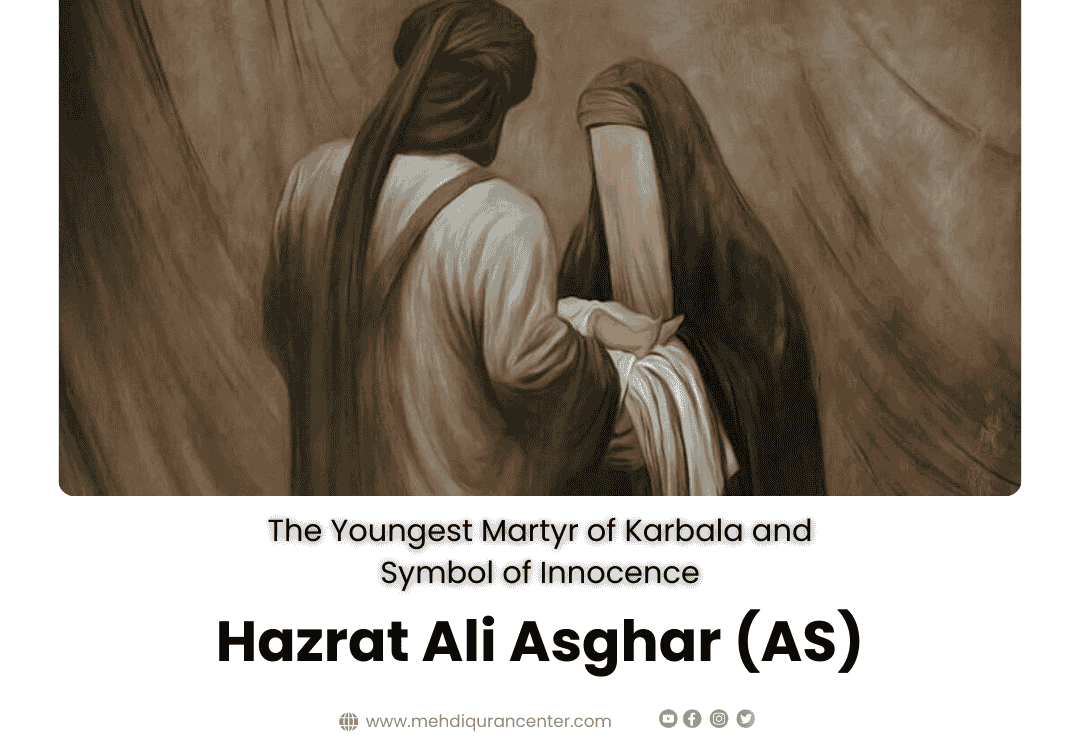
Hazrat Ali Asghar (AS) is the youngest martyr of Karbala and one of the most powerful symbols of innocence, sacrifice, and the brutality of oppression in Islamic history. Though only an infant, his martyrdom shook the conscience of humanity and exposed the moral bankruptcy of tyranny. In the arms of his father, Imam Husayn (AS), Ali Asghar (AS) became the clearest proof that the stand at Karbala was not for power or politics, but for truth, justice, and the preservation of Islam. His story transcends time, religion, and geography, serving as an eternal reminder that even the most defenceless can become a voice against injustice. Lineage and Identity Hazrat Ali Asghar (AS) was the son of Imam Husayn ibn Ali (AS), the grandson of the Prophet Muhammad (ﷺ), and Lady Rubab bint Imra’ al-Qays, a woman known for her devotion, dignity, and grief after Karbala. Through his father, Ali Asghar (AS) belonged to the pure household of the Ahl al-Bayt, inheriting the spiritual legacy of the Prophet (ﷺ), Imam Ali (AS), and Lady Fatima al-Zahra (AS). In historical sources, he is also referred to as Abdullah al-Radhi‘, meaning the suckling child, a title that reflects both his age and vulnerability at the time of martyrdom. Birth and Early Life Hazrat Ali Asghar (AS) was born in Madinah approximately six months before the tragedy of Karbala. His short life unfolded during a period of intense political corruption, as the Umayyad ruler Yazid ibn Mu‘awiya sought allegiance through coercion and violence. Ali Asghar (AS) accompanied his family on the journey from Madinah to Mecca and eventually to the plains of Karbala. Despite his infancy, his presence among the caravan symbolised that Imam Husayn’s (AS) mission was inclusive of every member of the Prophet’s household, even the youngest. The Context of Karbala By the tenth of Muharram, 61 AH, the camp of Imam Husayn (AS) had been surrounded and deprived of water for three days. The scorching heat, thirst, and cries of children filled the air. Ali Asghar (AS), an infant dependent entirely on water and milk, suffered intensely under these conditions. Imam Husayn (AS) endured unimaginable grief as he witnessed the suffering of his family, yet remained steadfast in his commitment to divine principles. The Moment of Martyrdom On the day of Ashura, Imam Husayn (AS) carried Ali Asghar (AS) towards the army of Yazid. Holding his infant son in his arms, he appealed not for himself, but for the child, asking only for a drop of water to relieve the baby’s thirst. This moment was intended as the final argument against the enemy, a plea that even hardened hearts might not ignore. Instead of mercy, the response was cruelty. A three-headed arrow was fired, striking Ali Asghar (AS) in the neck, killing him instantly while he lay in his father’s arms. The blood of the infant spilled onto Imam Husayn (AS), marking one of the most heart-rending moments in human history. This act exposed the true nature of the Umayyad forces and removed any remaining doubt about the righteousness of Imam Husayn’s stand. Imam Husayn’s Response Imam Husayn (AS) did not cry out in despair. Instead, he raised the blood of Ali Asghar (AS) towards the sky and returned the child to the camp, submitting entirely to the will of Allah. His patience in that moment became a lesson in ultimate faith, sacrifice, and trust in divine justice. Ali Asghar (AS) was buried by Imam Husayn (AS) near the tents of the Ahl al-Bayt, according to many historical narrations, as a silent witness to the crimes committed on the plains of Karbala. Spiritual and Symbolic Significance Hazrat Ali Asghar (AS) represents the peak of مظلومية, or oppression. His martyrdom stripped the enemy of any claim to moral or religious legitimacy. He became the embodiment of unanswered cries, stolen rights, and silenced innocence. In Shia consciousness, Ali Asghar (AS) symbolises the voice of the oppressed everywhere, especially children who suffer due to war, tyranny, and injustice. His story transforms grief into awareness and mourning into moral responsibility. Azadari and Cultural Memory The remembrance of Hazrat Ali Asghar (AS) holds a central place in Muharram gatherings across the world. Majalis recount his martyrdom to awaken hearts and reinforce the ethical message of Karbala. The symbolic presence of an empty cradle often represents his absence and the cruelty of his killing. In many cultures, parents dedicate their children in his name, seeking blessings, protection, and spiritual connection through his sacrifice. Lessons for Humanity Hazrat Ali Asghar (AS) teaches that innocence does not shield one from injustice, but it exposes injustice in its most naked form. His martyrdom reminds humanity that silence in the face of cruelty enables oppression, and that standing for truth may demand sacrifices beyond imagination. His story challenges the world to reflect on the suffering of innocent victims and to uphold justice, compassion, and moral courage in all circumstances. Enduring Legacy Although Ali Asghar (AS) lived for only six months, his legacy has lasted for centuries. He became a universal symbol of resistance through innocence, proving that even those without words can speak louder than armies. Karbala is remembered not only because of swords and battles, but because of a thirsty child whose blood awakened the conscience of history. Conclusion Hazrat Ali Asghar (AS) stands as one of the most profound figures of Karbala, not because of what he said or did, but because of what his martyrdom revealed. In his silence lies the loudest condemnation of tyranny, and in his sacrifice lies the eternal proof of Imam Husayn’s (AS) truth. His memory continues to move hearts, shape faith, and remind humanity that justice must always stand with the innocent.
Hazrat Ali Asghar (AS) is the youngest martyr of Karbala and one of the most powerful symbols of innocence, sacrifice, and the brutality of oppression in Islamic history. Though only an infant, his martyrdom shook the conscience of humanity and exposed the moral bankruptcy of tyranny. In the arms of his father, Imam Husayn (AS), […]

Imam Ali al-Hadi (AS): The Imam of Divine Guidance in an Age of Surveillance
Imam Ali al-Hadi (AS), the tenth Imam from the Ahl al-Bayt of the Prophet Muhammad (ﷺ), lived during one of the most restrictive and oppressive periods of Islamic history. Despite intense political surveillance, forced relocation, and systematic isolation imposed by the Abbasid caliphate, he preserved the spiritual, theological, and ethical foundations of Islam with remarkable […]

The Blessed Birth of Hazrat Fatima Zahra (sa) – 20 Jamadi al-Sani
The Beloved Daughter of Prophet Muhammad (SAW), Umm-ul-Aimma & Umm-e-Abiha

The Beloved Daughter of Prophet Muhammad (SAW), Umm-ul-Aimma & Umm-e-Abiha The 20th of Jamadi al-Thani marks one of the most radiant days in Islamic history—the birth anniversary of Sayyidat-un-Nisa al-Alamin, the Leader of the Women of the Worlds, Hazrat Fatima Zahra (سلام الله علیها). Her birth in Medina was not only a moment of joy […]

Hazrat Bibi Umm al-Banīn (a.s.): The Mother of Loyalty, Devotion, and Sacrifice
Hazrat Bibi Umm al-Banīn (a.s.). Known for her unwavering loyalty to Ahlul Bayt (a.s.), her unmatched motherhood, and her spiritual depth, she remains one of the most beloved female icons after the Noble Ladies of the Prophet’s Household: Bibi Fatima az-Zahra (a.s.), Bibi Zainab (a.s.), and Bibi Umm Kulthum (a.s.).

In the rich and sacred tapestry of Islamic history—particularly within the Shia tradition—few personalities shine with the brilliance, devotion, and selflessness of Hazrat Bibi Umm al-Banīn (a.s.). Known for her unwavering loyalty to Ahlul Bayt (a.s.), her unmatched motherhood, and her spiritual depth, she remains one of the most beloved female icons after the Noble […]

The Best Shia Online Quran Center in the United States – Learn the Quran with Qualified Shia Tutors
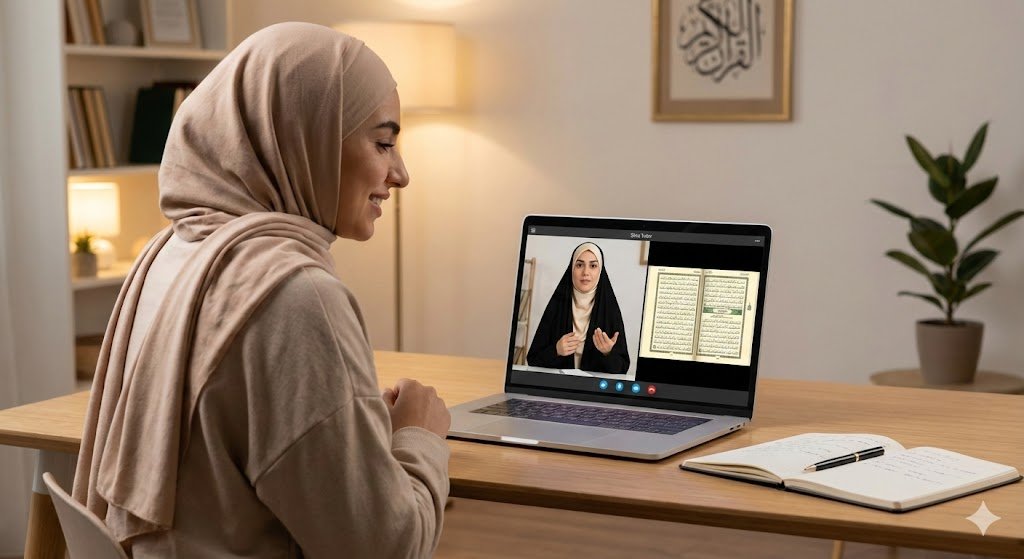
In today’s digital era, families across the United States are increasingly searching for reliable, affordable, and faith-aligned Quran learning platforms. For Shia Muslims, finding a centre that follows authentic Shia fiqh, accurate tafseer, and proper tajweed can be difficult—especially in areas where access to Shia Islamic institutions is limited. Al Mehdi Online Quran Center (www.mehdiqurancenter.com) […]

Ziyarat of Sayyida Fatima Zahra (S.A)
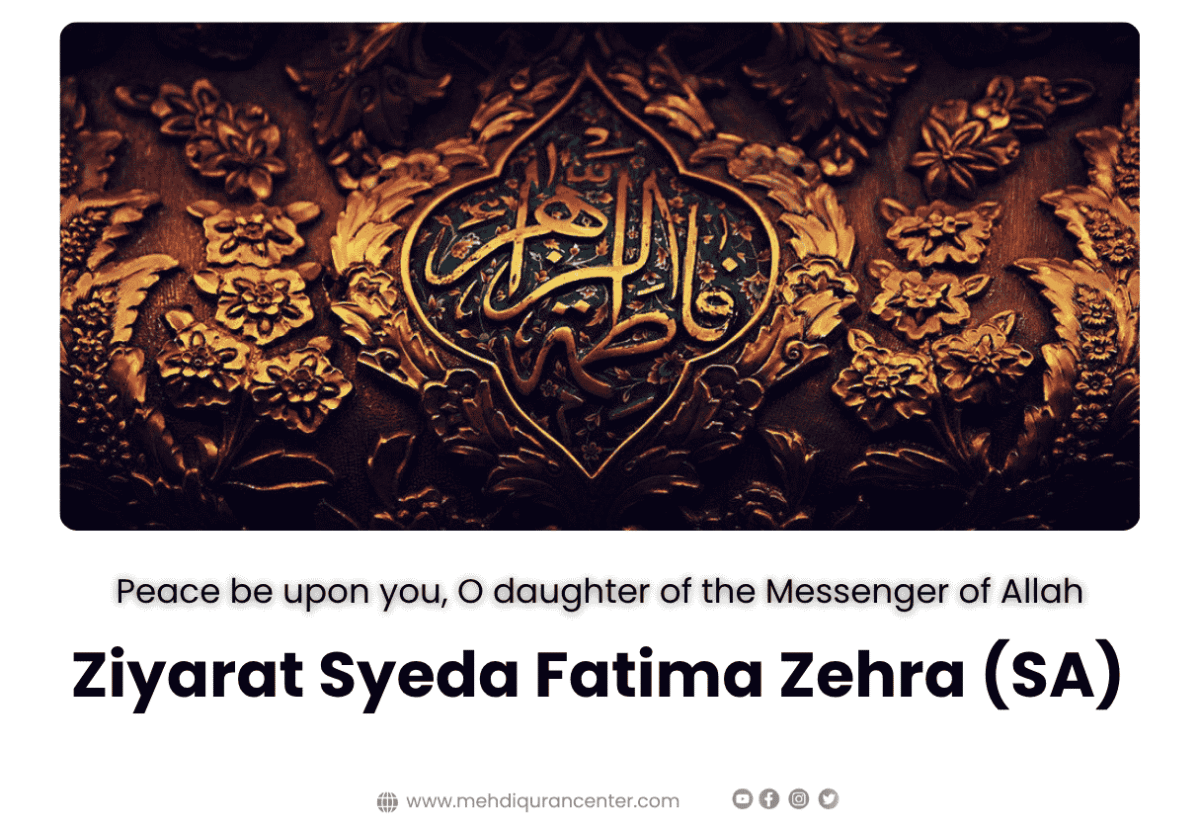
Ziyarat of Sayyida Fatima Zahra (S.A)

The Ziyarat of Sayyida Fatima Zahra (peace be upon her) is a sacred act of remembrance and devotion that connects believers to the pure light of the Ahl al-Bayt (A.S). Through her Ziyarat, we honour the daughter of the Holy Prophet (PBUH), whose life was filled with faith, patience, and sacrifice. Reciting her Ziyarat is […]

Shahdat-e-Imam Hassan (a.s): A Legacy of Peace, Patience & Sacrifice
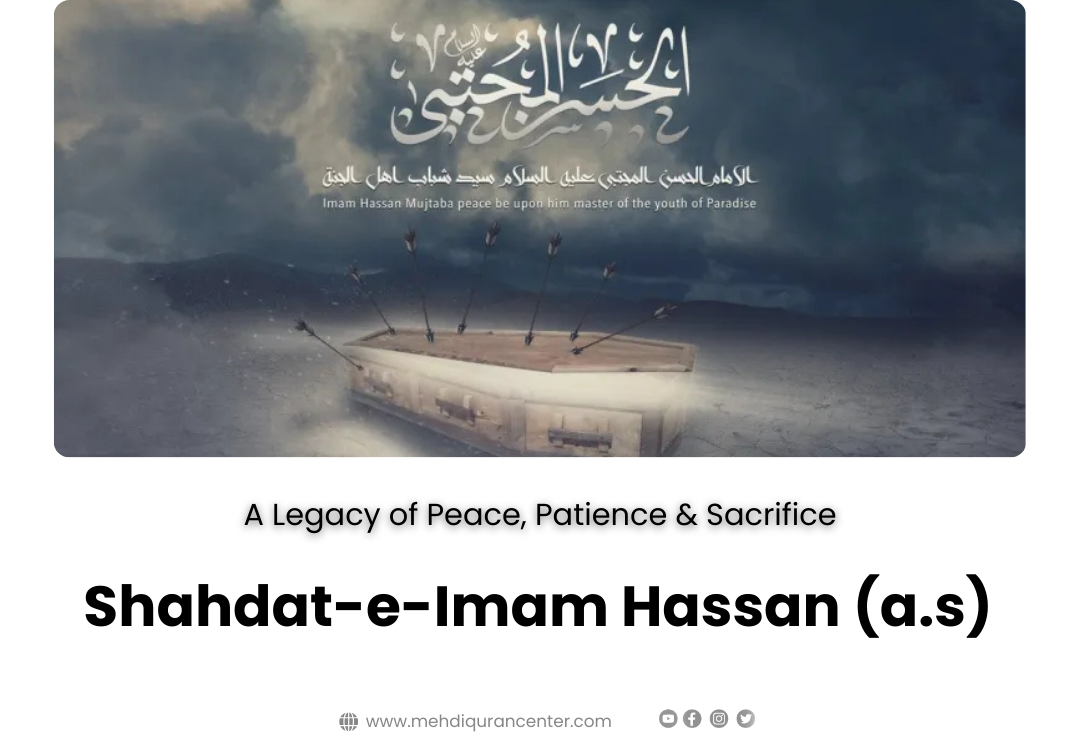
Shahdat-e-Imam Hassan (a.s): A Legacy of Peace, Patience & Sacrifice

Introduction · Shahadat Imam Hassan a.s The Shahdat (martyrdom) of Imam Hassan ibn Ali (a.s.), the beloved grandson of Prophet Muhammad (peace be upon him & his family), is one of the most sorrowful events in Islamic history. Imam Hassan (a.s.), also known as al-Mujtaba, was the elder son of Imam Ali ibn Abi Talib […]

Ziyarat Arbaeen: Recited on 20th Safar Chehlum of Imam Hussain a.s
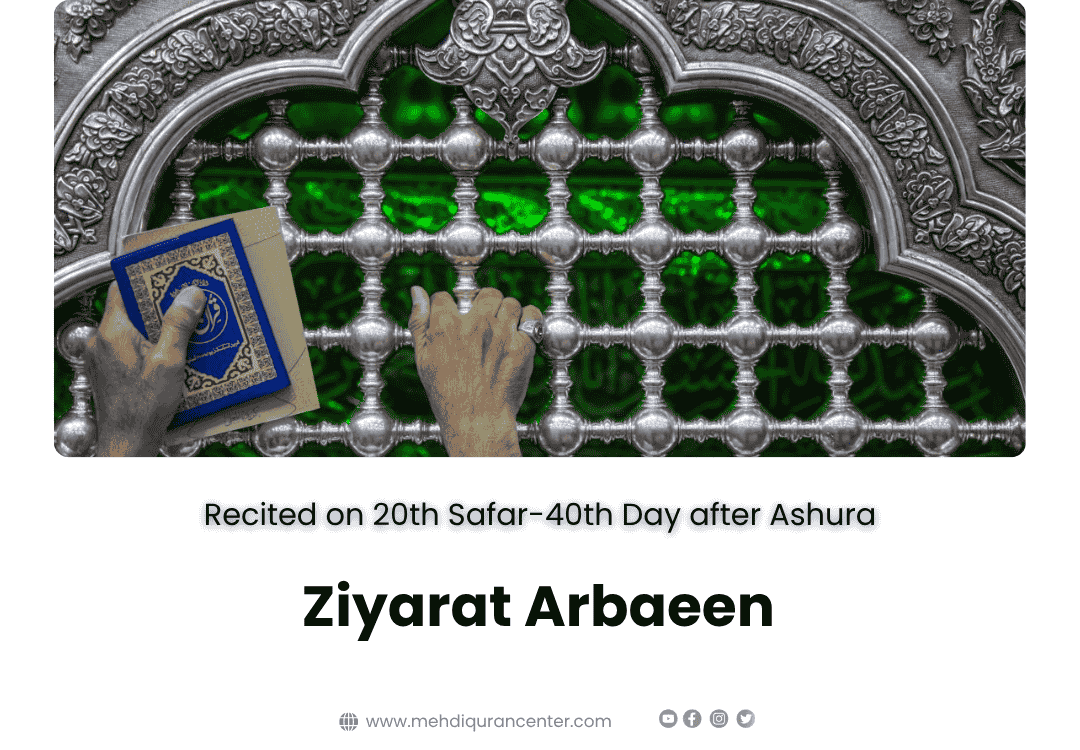
The Purpose of Imams mission is very well summarised in this ziarat as "...made every effort and put his heart, mind, soul and life at the disposal of Thy mission to liberate the people from the yoke of ignorance" Reported by Shaykh al-Tusi, in Tahdhib al-Ahkam and Misbah al-Mutahajjid, from Safwan al-Jammal who said: My master al-Sadiq, Allah’s blessings be upon him, instructed me to visit Imam al-Husayn (`a) on the Arba`in Day, in the early forenoon, and to say the following words

20th Safar- /Arbaeen (Chehlum – 40th day after Ashura ) Arbaeen marks the largest peaceful gathering in human history, as millions of devotees from around the world travel to Karbala, Iraq, to honor the martyrdom of Imam Hussain (عليه السلام) — the beloved grandson of Prophet Muhammad ﷺ — in the year 680 AD. The […]